
Cook Local, Eat Global
Masoor-Moong Dal With Mushrooms and Greens

In the name of giving a recipe that features some of the spices mentioned in my post about eating curry for your health, I now present a low fat, high protein, vegan recipe which has been well received both by my family and the guests at Restaurant Salaam. This dal features healthy and delicious turmeric and ginger, and if you want, you could add chilies as well.
Ever since I found out that mushrooms grew in the mountains of Kashmir, India, and were cooked and eaten when they were in season, I have felt the need to experiment with mushrooms in Indian dishes. The Dhingri Chole recipe I posted a week or so ago emboldened me to try making a dal with mushrooms and winter greens, just to see how it would taste. (Besides, I have been making different dals each week for Salaam, because it turns out that they are very popular lunch specials. Just today, we sold out of a very simple masoor dal with tomatoes and spinach.)
I used my all-purpose dal, red lentils, also known as masoor dal, mixed with split, but unskinned moong dal. I like to mix moong, whether whole, split or skinned, with masoor dal, because the masoor breaks down natural into a puree, while moong softens, but retains its shape. Moong are what we call mung beans, and whether you cook them whole, with their green skins intact, or split with the green hull, or split and skinned, they have a very earthy flavor and if they have their skins, a strong, distinctly herbal fragrance.
Combined with masoor dal, moong dal is delicious, and quite nutritious.
For this dish, I used the split, but unskinned moong, which gives the finished dish a little bit of color contrast between the yellow masoor and the greenish-brown flecks of the moong skin.
I cooked the two dals together, with just water, a pinch of asafoetida and grated fresh ginger.
To give the dal flavor, I made a tarka, which is a mixture of aromatics and spices cooked in oil or ghee until they are toasty brown, that is then added to the cooked dal. To impregnate the flavors of the spices and aromatics into the mushrooms, I cooked them, along with the greens, in the tarka, near the end of the cooking process.
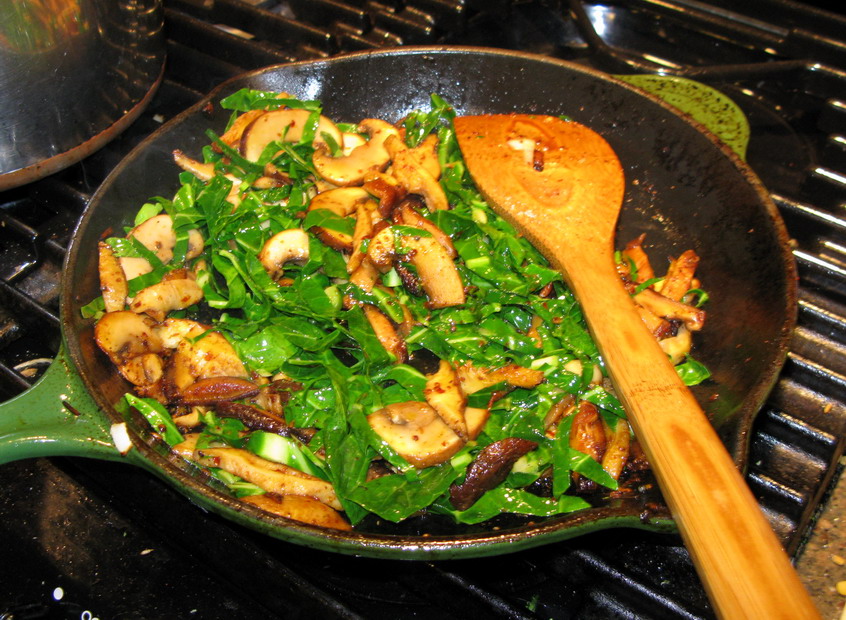
The results were delicious, and cooking the greens lightly kept them bright in color and flavor. Allowing the mushrooms to soak up the savor of the spices by sauteeing them in the tarka oil deepened their earthy scent. I used half fresh shiitakes and half dried, and I poured the soaking water I used to rehydrate the dried ones into the dal, where the mushroom flavor married perfectly with the dark fragrance of the moong dal.
This vegan dish went perfectly with very hot lime pickles, chapatti, and potato-carrot raita for a flavorful, vegetarian meal. (To keep the whole meal vegan, you’d have to leave out the yogurt-based raita and replace it with a salad, chutney or relish. The spicing in the dal are gentle, but you could add chilies to the tarka if you wanted more heat.
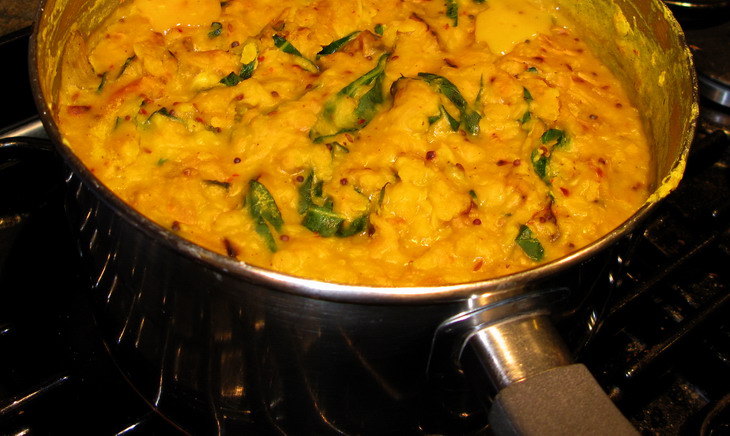
Masoor-Moong Dal With Mushrooms and Greens
Ingredients:
2 cups masoor dal, picked over for stones, rinsed and drained
3/4 cup-1 cup split moong dal, picked over for stones, rinsed and drained
pinch asafoetida
1″ cube fresh ginger, peeled and grated finely
4 dried shiitake mushrooms, soaked in 1 cup boiling water
4 tablespoons canola or peanut oil
2 cups onions, sliced thinly
1 teaspoon salt
7 cloves garlic, peeled and very thinly sliced
2 tablespoons mustard seeds
1 1/2 tablespoons cumin seeds
1 teaspoon ground turmeric
curry powder to taste–or use your own blend of ground black pepper, coriander, fenugreek, dried ginger and cloves
4 fresh shiitake mushrooms, stems removed and sliced thinly
1-2 cups thinly sliced fresh greens, like mustard greens, kale, or collards
salt to taste
roughly chopped cilantro for garnish
Put the two dals into a medium large pot, with just enough cold water to cover them by one inch. Add the asafoetida and ginger, and bring to a boil on medium heat, then turn the heat down to low, and cook, stirring now and then, and adding water as necessary, until the lentils and beans are tender. The masoor dal will break down into a pale yellow puree, and the moong will retain its shape, but will be completely tender.
While the dal is cooking, soak the dried shiitake until they are softened and the water is cool enough to handle. Remove them from the soaking liquid–which you will now add to the dal, Squeeze the excess water from the mushrooms, cut off the stems, and slice the caps thinly.
When the dal is finished, heat the oil up in a heavy-bottomed pan, and add the onions. Sprinkle with salt, and cook, stirring, until they are a deep golden color. Add the garlic, mustard seeds and cumin seeds, and cook, stirring, until the onions are medium brown, and the mustard seeds begin to pop. Add the rest of the spices, along with the mushrooms, both fresh and rehydrated, and cook, stirring, until the mushrooms brown slightly andn the onions are completely browned to a deep reddish brown color. Add the greens, and cook for a minute, or until they brighten in color and wilt.
Stir the contents of the pan into the dal and add salt to taste, then serve immediately, garnished with cilantro leaves.
Opening the Grilling Season With The Best: Jamaican Jerk
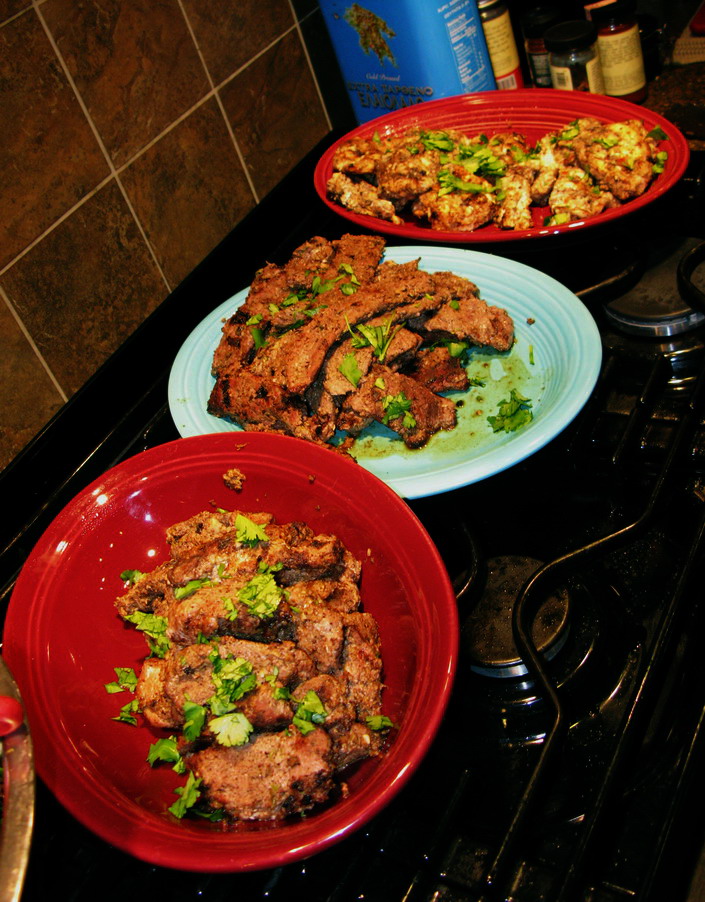
My love affair with Jamaican jerk did not start in Jamaica.
It started in Athens, with the purchase, on a whim, of a book called Jerk: Barbecue From Jamaica, by Helen Willinsky. I found the book, now sadly out of print, in The Little Professor bookstore on Court Street, and intrigued by the brilliant colors and the beautiful smiling face of the author on the cover, I had to check it out. Once I opened the book and read the recipes, I was hooked and immediately plunked down my $10.95 plus tax and scurried off to drool over the delectable recipes in private. (I really think it is declasse to drool over a cookbook in public.)
I started experimenting with the recipes in the book, and discovered much to my and my friends’ delight that we all like jerk.
What is jerk? It is a method of grilling, a marinade, a seasoning mixture, and a barbeque meat. It is all of these things and moreover, in Jamaica, it is a way of life.
Central to the flavor of jerk is allspice, also known as Jamaican pimento or pepper. Some folks would argue that scotch bonnet peppers were the heart and soul of jerk, but they would be wrong, according to Willinsky. And since she is a chef from Jamaica and all of the recipes I have used from her book have been fantastic, I think I will trust her on this. (And, having eaten jerk made by other recipes which did not feature allspice as prominently, my tastebuds agree with Helen–the scotch bonnet is a supporting character when it comes to jerk.)
Over the years, I have changed Willinsky’s recipe for jerk rub considerably–to the point that I am not sure it even really resembles hers anymore, except in as much as allspice still has the starring role. This is due to my own experimental and inquisitive nature, always wondering, “Would it taste good with ginger in it?” (Yes.) Or, “Could I just use all scallions instead of scallions and onions?” (Yes, and the flavor is much improved that way.)
After messing with the basic jerk rub recipe to the point that it is very different from the original, I also developed a pair of variations: one for boneless skinless chicken breasts, and the other for medallions of pork tenderloin. I’m giving the recipe for all three variants here, because they are just that good, and I am just that nice.
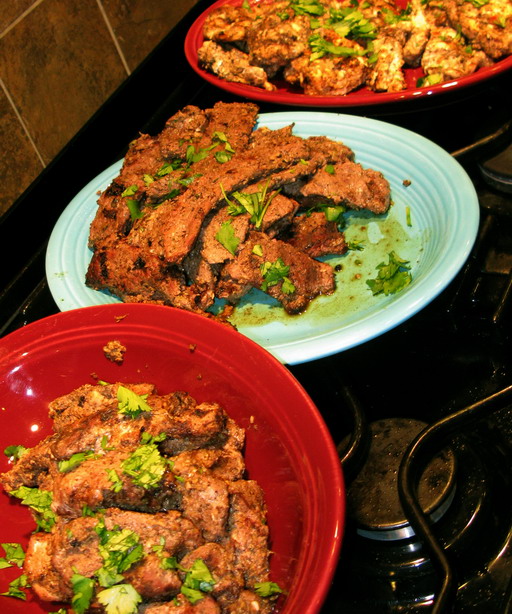
These recipes were just the thing to start off the grilling season yesterday. The sun was out, and while it was cold, there were flowers blooming and the scent of spring, all filled with damp earth and new growth. A perfect afternoon for sweeping the dead leaves off the deck, scrubbing the bits of rust that accumulated on the cast iron grill and making up a triple batch of jerk marinade and grilling up some beef, pork and chicken. (Needless to say, we had to have friends over to help us eat all the good stuff–friends who obliged gladly.
The evening went beautifully–there was plenty of great food, and even though it got cold after darkness fell, the spices from the jerk kept us all quite warm.
Ingredients:
1 head garlic, peeled and finely chopped
1 cup very finely minced scallion, both green and white parts
3 tablespoons fresh thyme leaves
2″ cube fresh ginger, peeled and minced
fresh chili pepper, minced–to taste
1 teaspoon whole peppercorns, freshly ground
2 tablespoons whole allspice berries, freshly ground
1 teaspoon whole cloves, freshly ground
1/2 teaspoon ground cinnamon
1/4 whole nutmeg, ground
1/2 teaspoon salt
2 1/2 tablespoons canola or peanut oil
Method:
Mix everything together, then rub into the surface of thinly sliced beef (top round or flank steak is best, cut into 1/4 inch thick slices on the diagonal), pork or pounded boneless skinless chicken breasts. Allow to sit for an hour or two, and then grill over a very hot fire until done. Remember, when you cut your meat very thinly, it cooks quite quickly, so turn it once and keep an eye on it! (I cut the meat into thin slices before rubbing it and cooking it so as much jerk goodness can get in and around it as possible. Thicker slabs get less of the jerk in them, so they don’t taste as good.
For the chilies, scotch bonnet is traditional, but use what you have. I used Thai bird chilies because that is what I had. Also use as much as you like or leave it out, and let diners use hot sauce to taste so everyone can have it as mild or hot as they like.
Fresh and Tangy Variation for Chicken
Add to the basic marinade a teaspoon of raw sugar, two tablespoons of Aleppo Pepper, and remove the other chile peppers. Add 1/2 cup minced fresh cilantro and 1/4 cup freshly squeezed lime juice.
Pound the chicken breasts to 1/4″ thickness and let them marinate for at least two or three hours. Grill quickly over a very hot fire and serve immediately.
Variation for Jamaican-Japanese Pork Tenderloin Medallions:
Add 2 tablespoons tamari soy sauce, 2 teaspoons raw sugar, 1/4 cup pureed pineapple and 1 teaspoon sesame oil. Cut pork tenderloin into 1/2″ thick medallions and marinate them in this rub for at least two hours. Grill quickly over a very hot fire, turning once. Serve with a pineapple-mango salsa or relish.
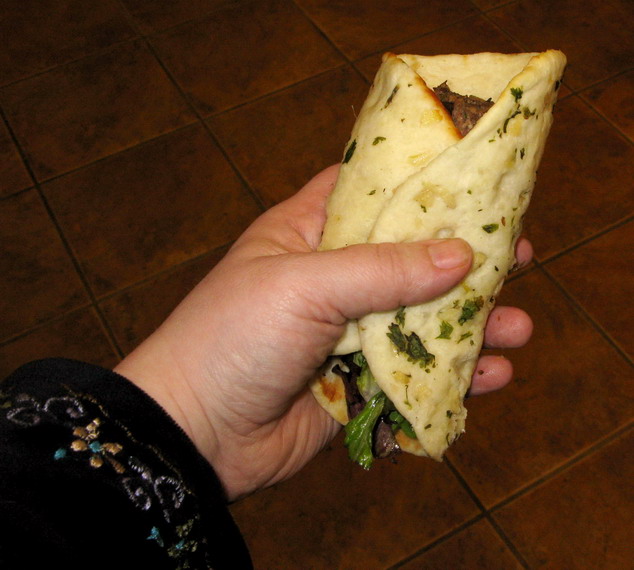
Here is a truly multi-culti fusion way of serving jerk which, oddly enough, works.
Lay a steaming hot garlic naan on a plate. Add a sprinkle of lettuces, and a smear of either Indian lime pickle or Thai sweet chili sauce (which we jokingly call “cracky-crack” sauce at home because it is really addictively good. Sweet, sour, and tingly-spicy). Lay jerked meat of your choice in the center, and wrap it up tightly and enjoy a sandwich that shouldn’t exist, but well, tastes damned fine anyway.
The basic recipe and the variations make enough for about a pound and a half or two pounds of meat. If you have leftover rub, you can leave it in the fridge for a week, or freeze it for up to six months.
Eat Curry For Your Health!

I’ve been reading articles about the health benefits of curry spices for quite some time, but this article from AlterNet is particularly good because it brings together summaries of the latest research on a variety of spices.
Worldwide, a great many researchers are finding that spices commonly consumed in Indian curry dishes have myriad health benefits, corroborating the uses of these spices in Ayurvedic and other food, herb, and spice based medical traditions. While these findings are preliminary, all of the studies cited in the article have been published in respected peer-reviewed journals, so that other researchers can verify or refute the findings through their own studies.
Here’s a short run-down of some of these findings:
Cinnamon has been found, in relatively small doses (but still more than you would use in a curry or muffin), to lower blood sugar levels in adults with type II diabetes. The same study that reported this finding also noted that cinnamon reduces blood cholesterol levels. The dosage used to gain these effects in the study participants was just a half teaspoon daily.
Turmeric, the spice which gives many curries their vibrant yellow color, has been used as a remedy for a wide number of ailments all over Asia for centuries. Recently, scientists have found that it may help keep Alzheimer’s at bay–patients who ate curry frequently, or even occasionally, were noted to have significantly fewer protein plaques in their brains. Mice fed a diet with turmeric were found to have 80 percent fewer protein plaques in their brains, and it was noted that curcumin, the active compound in turmeric, also reduced inflammation and cell oxidization. It has been found that the people of India have the lowest rate of Alzheimer’s in the world; currently research is being done to determine if this is caused by genetic factors or if it has to do with the large amounts of turmeric consumed in the typical Indian diet.
Turmeric is also being investigated for its cancer-fighting potential. Apparently, it has been found to help block the growth of cancer cells while not harming normal cells.
One thing to remember: curcumin is not water-soluble, so it is necessary to cook it in oil of some sort to gain its benefits. Do as the Indians do and cook it in ghee or oil before making a curry in order to extract the helpful curcumin, in addition to getting all the flavor and color of the spice into your food.
Chili peppers not only have their widely known antiseptic properties, but have also been found to have the ability to shrink tumors and inhibit the growth of cancer cells. Capsaicin, which has been used to relieve the pain of arthritis when used externally, also may have the potential to help fight obesity when taken internally by boosting the metabolism.
Ginger has been a popular folk remedy for nausea, particularly morning sickness for generations, but finally, it has been proven that the effect is not related to mind-over-matter or a placebo effect. In addition, this relative of turmeric is also being found to have the potential to lower blood sugar, cholesterol and to protect the stomach from ulcers. It also has anti-inflammatory properties which would make it valuable in fighting the pain and swelling of arthritis.
Generally, I eat curry because I love the many flavors, textures and colors inherent to this broad spectrum of dishes. But, I have to admit that I am even more keen to eat it now that I see that the Indian assertions that curry is healthy are not just based on tradition, but sound scientific research as well.
And, I have to also admit that I am very happy to see Ayurvedic traditions being proven through the application of the scientific method. It just goes to show that just because a medical system is ancient, doesn’t mean that it is just folklore or old wive’s tales. Many ancient medical traditions are based just as much on experimentation and observation as modern allopathic medicine.
So, do as I do, and eat a lot of curried dishes, not only for pleasure, but for your health!
Ruminations on Life, Death, and Life Again
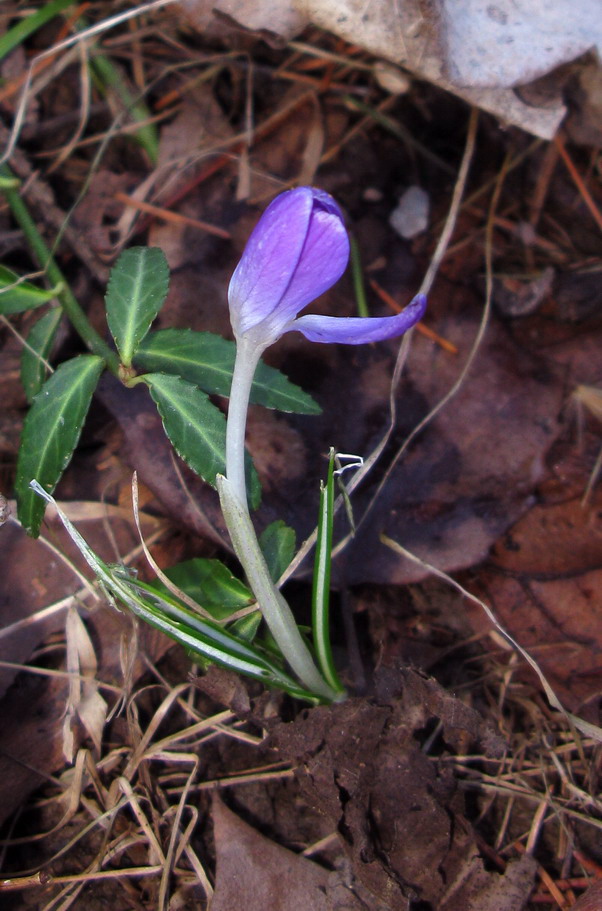
There is a reason I haven’t written anything since Monday.
Even though I had planned several posts, I found that I couldn’t write them.
On Monday, my Mom told me that my Uncle John will be selling my grandparents farm, or rather, what is left of it, and moving away.
As she told me over the phone, at first, I was fine. It was the sensible thing for him to do, after all, and well, it must feel odd to live in the same place for most of the years of his life. Most of his childhood and large chunks of his adulthood were spent in that house, and it is a lot of land for him to care for. It isn’t even a working farm anymore, and I thought to myself that maybe he could sell it to someone who would graze a few cows or horses on the pastures that he now has to mow. Maybe someday soon there will be chickens once more scratching in the barnyard and ducks swimming on the pond, dipping their heads and diving for choice morsels.
Those thoughts cheered me for a brief moment.
Then, I realized how much of the tangible touchstones of my childhood I would be losing.
And I started to cry.
I ended up burning the onions I was cooking, I was so sad and distracted.
There are so many memories tied to that place, that piece of ground, that I cannot help but feel as if a door will forever close to have it sold away from the family.
I feel so silly.
But I spent so much time there, so many long summers, so many weekends, that I feel as if it is my true home.
The home of my spirit.
There is a tree that I helped plant, over thirty-five years ago. It was a seedling that sprouted from a berry dropped from the holly tree in my Gram’s little garden near her front door, in Charleston. When the plant grew to be about eight inches tall, she dug it up and gave it to Mom and I to take to Grandma out in the country, for her to plant by her front door. I remember planting that tiny tree, in the spring, and I remember Grandma tending it faithfully for the years it was small.
But it grew rapidly into the most perfectly shaped, conical tree with shining blue-green leaves, and a plethora of deep ruby-red berries. In the winter, with the snow on it and cardinals hopping from branch to branch dining on the waxy, fat-filled berries, it looked like a Christmas card, so perfectly did it express the beauty of the winter season. It was one of Grandma’s favorite trees, and when it produced seedlings, she gave them to neighbors and friends up and down that road, so that grandchildren of Gram’s original tree now grow all over Putnam county, though their line progenitor was ripped from the earth to make a parking lot long ago.
The tree is now probably thirty feet tall–it is much taller than the house, and it is bigger around than I can estimate. It is the grandest holly tree I have ever seen and I cannot help but think that it holds part of the spirits of both of my Grandmothers within it.
To think of losing that tree, to think of it passing into the hands of someone who will not know who planted it, why or when–it still makes me cry. I guess, because I believe that in some small way, Gram, Grandma and I are all alive in that tree.
The woods, the fields, the old garden patches, the forsythia bush, the barn, and the house–all of them echo with voices from the past. Every step I tread there, brings with it a memory.
In the yard, I hear the whisper of children’s voices as the cousins and I play with the neighbor kids rough games that involved a lot of running, chasing and catching. In the barn, I catch the faintest murmur of a long-dead cat pattering across the hayloft, calling to us in deceptively plaintive mews before her head would pop down through the trap door. In the barnyard, there is the call of cattle, and the song of chickens. I used to sing to those cows and chickens, and even the pigs, and on the lonesome wind that is seldom still on that high, lush-pastured ridge, I can hear the ghost of the girl I was, skinny, all elbows and knees, her voice trickling like a stream over rocks.
Part of my soul still lives there, wandering the winding paths in the woods, climbing the steep banks of the creek, laying for hours on the great stones in the bottom lands, watching the endless flow of silvery water shimmer by.
Those were the happiest days of my youth, the days that I stayed there with my Grandma, Grandpa and Uncle John.
Losing that farm to someone who isn’t part of our family is like losing a family member forever.
And then, later, I found out that my mother’s older brother, Uncle George, died in his house, which was built on a chunk of the farm, probably twenty-five years ago. I helped build that house, as did all of us in the family. (We helped build Uncle John’s house, too, when he got married. After Grandpa died, he bought the farm from the estate, and then my Mom and Dad bought his little house, and thus owned their first home.)
I wasn’t really close to Uncle George, not like I am with Uncle John, who is only nine years older than me and in many ways, is like the older brother I never had. But, when we were kids, Uncle George was so much fun, always laughing, always joking. Silly, in a lot of ways, he could always give a smile. After he moved out to his house on a corner of the farm, he used to come over to visit Grandma every day right after work, before going home. And she used to call him, “My Sunshine,” and it was always so sweet to see them together.
I thought about that, and I realized that they are together again.
And maybe, he is happier for it.
I think that when Grandma died all those years ago, it broke all of our hearts a little. She was the soul of our family in so many ways, the light at the center of it, and I think that when she left us, a spark in all of us died with her, and we stopped coming together as much. She was the one who brought us together, and bade us love each other, just as she loved each of us–unconditionally.
All of us never ever came back together like that again after she died. Not until Grandpa’s funeral many years later.
And then, again, last night, at Uncle George’s memorial.
It was odd, looking at my cousin Debbie’s face and seeing her father there, looking back at me. Or, seeing Uncle Jim, and being shocked at Grandpa’s likeness drawn clearly in his face, and his diminished physique. And Mom, a shorter, less quiet version of Grandma, flitting from person to person, holding a hand or clutching an arm, as if to capture a memory or a moment embodied within them before it flits away like a moth fluttering towards the moon.
It was as if they had never left. Perhaps, they never did, only most of us were too blind to realize it.
We came together last night, for a moment to remember other moments, but we all parted again.
We are scattering to the four winds, now, our bodies and spirits like seeds looking for places to rest. We cannot go home again.
Home is not the place it was, and it never, ever will be again.
So, I do hope that whoever buys the farm and Uncle George’s house, has ears sensitive enough to hear the happy laughter of ghost children, the gentle lowing of cows long gone and the voice of my Grandma singing “You Are My Sunshine” to the son whose smile brought joy to her heart in her last years.
I hope that they love holly trees, and that they don’t mind sharing their houses and land with the memories of the past that float and dance on the restless wind like dried corn husks and brown, curled leaves. I hope that they tread lightly, and bring their own love to the land, and make it bloom again, and build their own memories there.
I know that our memories will be glad for the company.
From Gaza: Sumakiyah

One of the best parts of working at Salaam is that I get to do research into new cuisines and dishes for dinner specials which I may not have ever sought out otherwise.
In point of fact, while I was interested in the food culture of the Middle East before I began working at Salaam, it was only a moderate interest at best, easily overshadowed by my love for Chinese, Indian and Thai cuisines. And while it is true that I had a small collection of cookbooks from the Middle East, I had not really ever delved very deeply into them, seldom cooked from them and generally just read them for pleasure and to add to my store of knowledge on subjects related to food in the context of culture.
Once I needed to start coming up with dinner specials that fit within Salaam’s general concept, however, all of this changed, and I began digging through my little collection of cookbooks in earnest, and started testing dishes to see if they would suit the tastes of the people of Athens. (I also took this as an opportunity to start adding to my collection of Middle Eastern cookbooks as well, of course. Cookbook collectors seldom need a reason, I know, but still–it was good to have one anyway!)
The dish pictured above, which is a stew of lamb and chickpeas seasoned with and thickened by sumac, is one of the results of my research. Sumakiyah is a delicious dish with ancient roots in the southern Palestinian region of Gaza. It was, until recently, a featured dish at every wedding feast, and was also cooked for every celebratory occasion. This practice now, alas, is only carried on by the older generation of Palestinian women, according to May S. Bsisu, author of the amazing cookbook, The Arab Table.
It consists of a large quantity of boneless lamb shoulder and leg pieces stewed with chickpeas, onions, garlic, chilies and spices, then thickened and further flavored with tahini, which is ground sesame seed paste, and sumac, which is the coarsely ground tart berries of the Middle Eastern sumac plant (Rhus coriaria.)
Before we go any further, let me tell you about sumac, the spice, (Rhus coriaria,) as opposed to sumac, the poisonous native American plant (Rhus vernix.)
Yes, they are in the same genus–they are indeed related. They are both members of the family Anacardiaceae, a large family of plants which includes the plants which bear the edible cashews, mangoes, and pistachios. All members of this family exude some amount of a compound which is a skin irritant–which explains why one does not eat unprocessed or raw cashews and why one should not gnaw upon the skins of mangoes, unless one wishes to break out into an itchy rash. (Unfortunately, I like the taste of mango skin–but it does make me break out just to peel a lot of mangoes, so I don’t chew the skins anymore–I just smell them and enjoy the evergreen fragrance of them.)
The ripe berry of the Rhus coriaria, however, is perfectly safe to eat and like the berries of the non-poisonous native American sumacs, which were used by Native Americans to make a drink very akin to lemonade, is endowed with significant amounts of vitamin C, a nutrient which is vital to human health. The ascorbic acid and citric acid content makes the wine-dark powdered berries very tart indeed, and they are a favored souring agent in many Middle Eastern cuisines. The lovely deep mahogany to burgundy color is also a reason for its popularity; it adds a rich, vibrant color to foods to which it is added, either by cooking it into the dish or by sprinkling it on at the end of the cooking process.
It is commonly found in Middle Eastern markets across the US, and is quite inexpensive. I urge you to get a jar of it and start playing with it. Or, you can a jar of sumac or za’atar–a popular spice blend that features sumac–from Penzey’s and have them delivered to your door.
Now that you know more about sumac than you thought you would ever need to know, here’s the recipe for sumakiyah–a hearty, healthy lamb and chickpea stew that I would hate to see forgotten, left by the wayside as culture and times move forward and change too quickly for old traditions to catch up. It is very easy to make, and very flavorful and is well worth experimenting with. This is the recipe I used for a dinner special at Salaam, which I adapted considerably from May Bsisu’s wonderful book. We served it with a fatoosh salad and pita bread for scooping, (or over rice, if people preferred) and it turned out to be quite popular.
Oh, one more thing–I cheated and used hummus to thicken this dish, again, instead of using just sesame tahini. It worked perfectly well, it tasted awesome, and it had a lot of tahini in it to begin with. It also kept me from having to stir up the bucket of tahini we keep for dressings, hummus and other dishes. So, if you have some hummus sitting around in your fridge, you can put it to good use in this dish. Or, you can use the tahini as the recipe calls for and maybe take out a cup or two of chickpeas and mash or puree them to make a thicker stew.
I served this with red onion slices on top of it and some dried chilies sprinkled over it. You can also serve it with sliced fresh chilies for your guests to add as much as they like to the stew.
Sumakiyah
Ingredients:
2 tablespoons olive oil
2 pounds onions, thinly sliced
1 teaspoon salt
2 1/2 pounds boneless chunks of lamb shoulder and leg, mixed (or just buy lamb stew meat), excess fat removed
1 quart lamb, vegetable or chicken broth
3 cups cooked dried chickpeas, drained, or 3 cups canned chickpeas
1 teaspoon freshly ground black pepper
1/2 tablespoon ground allspice
1/2 teaspoon ground cardamom
1 tablespoon dried thyme leaves (or 2 tablespoons fresh thyme leaves)
pinch cloves
pinch cinnamon
2 bay leaves
16 cloves garlic, peeled and finely ground or mashed into a paste
1 pound Swiss chard or kale leaves, large veins removed, washed well and cut into bite sized pieces
2 tablespoons Aleppo pepper
1 fresh jalapeno pepper, seeded and finely diced
1/2 cup ground sumac
1/4 cup all purpose flour
water as needed
1 cup tahini (or 1 1/2 cups hummus bi tahini)
lemon juice, salt and black pepper to taste
Thinly sliced red onions for garnish
Method:
Heat olive oil in a deep, heavy-bottomed Dutch oven or stockpot. Add onions, and sprinkle with salt. Cook, stirring, until they become deep golden brown, almost reddish. Remove with a slotted spoon to a plate. Add meat, a little at a time and brown well in the pot, removing each batch as it cooks and adding more, until all the meat is finished cooking.
Remove the last bit of meat, and deglaze the pan with the broth, scraping up all the browned bits stuck tot he bottom of the pan. Add the onions and meat back to the pot and add the chickpeas. Add the seasonings, from the pepper to the garlic, and enough water to barely cover everything. Bring to a simmer and cook, simmering, adding water as necessary to keep the stew from sticking or burning or boiling dry, until the meat is fork tender–that is, when you insert a fork, it not only goes in easily, but also is easy to remove. The meat should just slide right off the tines of the fork.
Add the chard, the Aleppo pepper and the chli pepper, and cook until the leaves just wilt.
Make a paste with the sumac and flour and enough cold water to blend them together. Add this to the stew, and cook, stirring, until it thickens. Add the tahini, and stir well to blend it.
Season to taste with lemon, salt and pepper. It should be spicy and tart in flavor with the earthy undertone of the chickpeas and the richness of lamb. If you want your stew to be thicker, take out about a half cup to a cup of chickpeas and puree them then add them back to the pot.
Serve with a garnish of thinly sliced raw red onions with warm, soft Arab flat bread on the side. (You can also serve it over rice, which is apparently not traditional, but which some people prefer–and it tastes good, too.)

Categories:
- Admin (rss) (55)
- Blogs and Blogging (rss) (81)
- Book Reviews: Cookbooks (rss) (43)
- Book Reviews: Non-Cookbook Food Books (rss) (38)
- Cats and Cat Blogging (rss) (47)
- Chinese Cooking Lessons (rss) (32)
- Culinary School Stories (rss) (18)
- Dairy Pruducts: Cultured and Barbaric (rss) (4)
- Documentary Filmmaking (rss) (1)
- Essays, Rants and Reflections (rss) (260)
- Fighting Hunger (rss) (12)
- Food and Kids (rss) (45)
- Food in the News (rss) (126)
- Food Media (rss) (98)
- Food Preservation (rss) (18)
- Food Safety (rss) (45)
- Gardening (rss) (30)
- Herbs and Herb Blogging (rss) (20)
- Holidays (rss) (50)
- Kat Blogging (rss) (22)
- Kitchen Science (rss) (36)
- Leftover Makeover (rss) (8)
- Life, the Universe and Everything (rss) (131)
- Local and Sustainable (rss) (227)
- Local Athens Food and Foodies (rss) (42)
- Meatless Mondays (rss) (32)
- Menu For Hope (rss) (5)
- Nutrition, Diet and Health (rss) (84)
- On The Farm (rss) (8)
- Recipes: Almost Vegetarian, Vegetarian and Vegan (rss) (294)
- Recipes: American Regional (rss) (37)
- Recipes: Appalachian Hillbilly (rss) (33)
- Recipes: Bread, Pasta, Grains (rss) (95)
- Recipes: Canning and Preserving (rss) (8)
- Recipes: Chinese (rss) (123)
- Recipes: Comfort Food (rss) (120)
- Recipes: Cookies (rss) (16)
- Recipes: Desserts (rss) (48)
- Recipes: French (rss) (25)
- Recipes: Fruits and Vegetables (rss) (302)
- Recipes: Greek, North African and Middle Eastern (rss) (31)
- Recipes: Indian (rss) (137)
- Recipes: Italian (rss) (42)
- Recipes: Japanese (rss) (7)
- Recipes: Jewish (rss) (4)
- Recipes: Korean (rss) (6)
- Recipes: Meat, Poultry and Fish (rss) (220)
- Recipes: Mexican/Native American/ Latin American/Caribb (rss) (27)
- Recipes: Original (rss) (108)
- Recipes: Thai (rss) (27)
- Recipes: Tofu (rss) (17)
- Recipes: US Regional (rss) (16)
- Recipes: Vietnamese (rss) (8)
- Restaurant Stories (rss) (28)
- Sewing, Quilting, Arts and Crafts (rss) (16)
- Simple Chinese Recipes (rss) (30)
- Slow Food and Heritage Foods (rss) (10)
- Spice Blogging (rss) (44)
- The Chinese Cookbook Project (rss) (14)
- The Chinese Pantry (rss) (39)
- The Documentary (rss) (2)
- The Kitchen Saga (rss) (17)
- The Locavore's Bookshelf (rss) (15)
- The Unsung Adventures of The Culinary Nerd (rss) (6)
- Tools and Toys (rss) (35)
- Uncategorized (rss) (10)
- With a Side of Politics (rss) (48)
Archives:
- August 2012 (9)
- July 2012 (12)
- September 2011 (3)
- August 2011 (7)
- July 2011 (8)
- June 2011 (16)
- May 2011 (17)
- April 2011 (11)
- December 2010 (9)
- November 2010 (5)
- February 2010 (1)
- December 2009 (5)
- November 2009 (7)
- October 2009 (10)
- September 2009 (16)
- August 2009 (14)
- July 2009 (14)
- June 2009 (7)
- May 2009 (17)
- April 2009 (10)
- March 2009 (25)
- February 2009 (13)
- January 2009 (10)
- December 2008 (5)
- November 2008 (5)
- October 2008 (6)
- September 2008 (13)
- August 2008 (8)
- July 2008 (11)
- June 2008 (18)
- May 2008 (13)
- April 2008 (14)
- March 2008 (16)
- February 2008 (17)
- January 2008 (19)
- December 2007 (25)
- November 2007 (18)
- October 2007 (24)
- September 2007 (16)
- August 2007 (15)
- July 2007 (15)
- June 2007 (10)
- May 2007 (14)
- April 2007 (16)
- March 2007 (17)
- February 2007 (20)
- January 2007 (13)
- November 2006 (1)
- October 2006 (8)
- September 2006 (14)
- August 2006 (25)
- July 2006 (30)
- June 2006 (28)
- May 2006 (34)
- April 2006 (29)
- March 2006 (24)
- February 2006 (30)
- January 2006 (38)
- December 2005 (40)
- November 2005 (37)
- October 2005 (32)
- September 2005 (25)
- August 2005 (30)
- July 2005 (28)
- June 2005 (21)
- May 2005 (8)
- April 2005 (22)
- March 2005 (17)
- February 2005 (29)
- January 2005 (10)
Search Site:
Links:
- Lily’s Wai Sek Hong
- 101 Cookbooks
- A cat in the kitchen
- A Veggie Venture
- Accidental Hedonist
- Cha Xiu Bao
- chez pim
- Chocolate & Zucchini
- Chopstick Cinema
- Chowhound.com
- Chubby Hubby
- Cook sister!
- Cooking with Amy
- da*xiang
- Eat Local Challenge
- Eating Liberally
- Ecocentric
- Eggbeater
- Epicurious
- Farmgirl Fare
- Fatfree Vegan
- Foodgoat
- ForkandBottle.com
- Green Olive Tree
- Hooked on Heat
- Jaden’s Steamy Kitchen
- Kalyn’s Kitchen
- Lucullian delights
- Mahanandi
- Matt Bites
- MeatHenge
- mmm-yoso!!!
- New York Times – Dining & Wine
- Pizza Goon
- Rasa Malaysia
- Ruhlman
- Sailu's Kitchen
- Serious Eats
- SF Gate: Food & Dining
- Simply Recipes
- Soul Fusion Kitchen
- Tastespotting
- The Amateur Gourmet
- The Cleaner Plate Club
- The Food Section
- The Grub Report
- thecookscottage
- U.S. Food Policy
- Wandering Chopsticks
- Washington Post Food and Dining
- Wasted Food
Meta:


Powered by WordPress. Graphics by Zak Kramer.
Design update by Daniel Trout.
Entries and comments feeds.